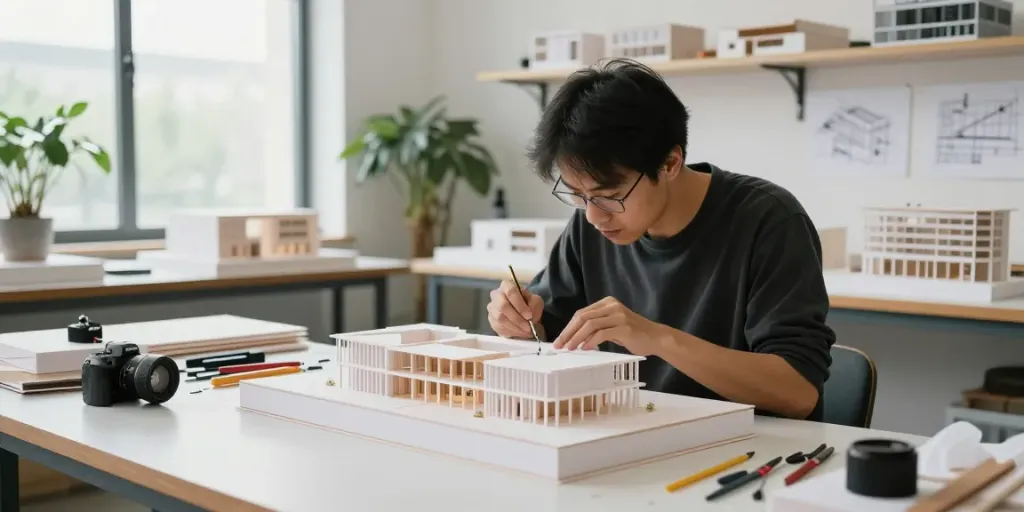
Understanding Architectural Model Making in Austria
Architectural model making is a pivotal element in the realm of design and construction, enhancing the way projects are visualized and communicated. In Austria, a country celebrated for its stunning architectural heritage and innovative urban landscape, the significance of architectural models is profound. These models not only serve as tangible representations of architectural visions but also facilitate discussions among stakeholders, influencing the planning and execution of construction projects. For those seeking to deepen their understanding of architectural model making in Austria, Architectural model maker Austria provides comprehensive insights into the industry trends, types of models, and production processes.
The Importance of Architectural Models
Architectural models serve as vital tools in the communication of design concepts and project planning. They provide a clear representation of ideas, bridging the gap between abstract plans and physical realities. In Austria, where architectural excellence is paramount, these models are essential for fostering collaboration among architects, clients, and other stakeholders, helping to clarify intentions and visions before construction begins.
Historical Overview of Architectural Model Making
The practice of creating architectural models has deep roots in Austria, tracing back to the grandeur of historic buildings that define cities like Vienna and Salzburg. Historically, models were crafted from materials such as wood and paper, serving educational and presentation purposes. As technology evolved, so did the techniques and materials used in model making, leading to more sophisticated and precise representations.
Current Trends and Innovations in Austria
Today, architectural model making in Austria is characterized by innovation. The integration of digital technologies such as computer-aided design (CAD) and 3D printing has revolutionized the industry, allowing for greater detail and accuracy. Moreover, the shift towards sustainable materials reflects a growing awareness of environmental concerns among architects and developers.
Types of Architectural Models Used in Austria
In Austria, a diverse range of architectural models are employed, each serving distinct purposes within the development process. Below are some of the most commonly used types of architectural models:
Industrial Models and Their Significance
Industrial models are crucial for representing factories and production facilities. These models not only aid in the visualization of complex industrial processes but also attract investment and interest at exhibitions and trade shows, showcasing a company’s capabilities and innovations.
City Planning Models: Enhancing Urban Development
City planning models are large-scale examples that depict entire neighborhoods or urban districts. They are essential tools for urban planners and local governments, allowing for the analysis of zoning, traffic flow, and environmental impact. These models help visualize the interplay between various elements within urban spaces, influencing decision-making processes.
Environmental Models: Contextualizing Projects
Environmental models illustrate how proposed structures will exist within their surroundings, helping assess ecological impacts and community integration. They are particularly valuable in competitions and public presentations, enabling stakeholders to visualize how new constructions fit into the existing landscape.
The Process of Architectural Model Production
The production of architectural models involves a meticulous process that combines artistry with engineering precision. This includes selecting the right materials and employing advanced techniques to ensure high-quality outcomes.
Materials and Techniques: What You Need to Know
Architectural models can be crafted from various materials, including wood, plastic, foam, and 3D-printed components. The choice of material significantly influences the model's durability, appearance, and suitability for different types of projects. Techniques such as laser cutting, CNC milling, and handcrafting are commonly used to achieve the desired level of detail.
Consultation and Planning for Custom Solutions
A comprehensive consultation is vital for creating custom solutions tailored to specific project requirements. Experienced model makers collaborate closely with architects and clients to identify goals, select appropriate materials, and outline production timelines, ensuring that the final product aligns with the client’s vision.
Quality Control and Precision in Model Making
Quality control is critical in architectural model making. Precision in every detail is essential to accurately represent architectural designs. Techniques such as iterative prototyping and detailed inspections throughout the production process help ensure that models meet high standards of craftsmanship.
Real-World Applications and Successful Projects
Architectural models have been employed in numerous prestigious projects throughout Austria, leading to successful outcomes. Their utility extends beyond mere representation; they facilitate collaboration and innovation.
Case Studies: Effective Use of Models
Several notable projects in Austria have benefited from the use of architectural models. For instance, the redevelopment of urban areas in Vienna utilized city planning models to visualize potential changes and gauge public interest, leading to community-approved developments.
Testimonials from Architects and Developers
Feedback from architects and developers underscores the value of architectural models in enhancing project outcomes. Many professionals cite improved client communication and a clearer understanding of design proposals as key benefits that contribute to successful project execution.
Lessons Learned from Notable Projects
Analyzing past projects reveals that thorough planning and accurate models can mitigate risks and streamline approval processes. Collaborations that prioritize early model development often see increased alignment between stakeholders, reducing the chances of misunderstandings during construction.
The Future of Architectural Model Making in Austria
The architectural model making landscape in Austria is evolving, driven by technological advancements and changing industry demands. The future holds promising prospects for model makers and architects alike.
Emerging Technologies: VR and AR Integration
Virtual Reality (VR) and Augmented Reality (AR) are set to transform how architectural models are presented. These technologies enable clients to experience projects in immersive environments, allowing for real-time adjustments and enhanced engagement during the design phase.
Focus on Sustainability and Eco-Friendly Practices
The emphasis on sustainability is reshaping the materials and processes used in architectural model making. Eco-friendly alternatives are becoming the norm, aligning with the broader construction industry's goal of minimizing environmental impact.
Looking Ahead: Trends for 2026 and Beyond
As we approach 2026, trends suggest a greater demand for customization and integration of smart technologies into architectural models. Clients are increasingly seeking models that reflect their unique needs and aspirations, pushing model makers to innovate continually.
What Stakeholders Can Expect in the Evolving Market
Stakeholders can expect a more collaborative atmosphere, with advanced communication tools facilitating better cooperation between architects, clients, and model makers. This evolution is likely to enhance overall project quality, ensuring successful outcomes.
How to Stay Competitive as an Architectural Model Maker?
Architectural model makers can maintain a competitive edge by embracing new technologies, focusing on sustainable practices, and offering tailored solutions that meet specific client needs. Continuous education on emerging trends and techniques will also play a crucial role in long-term success.