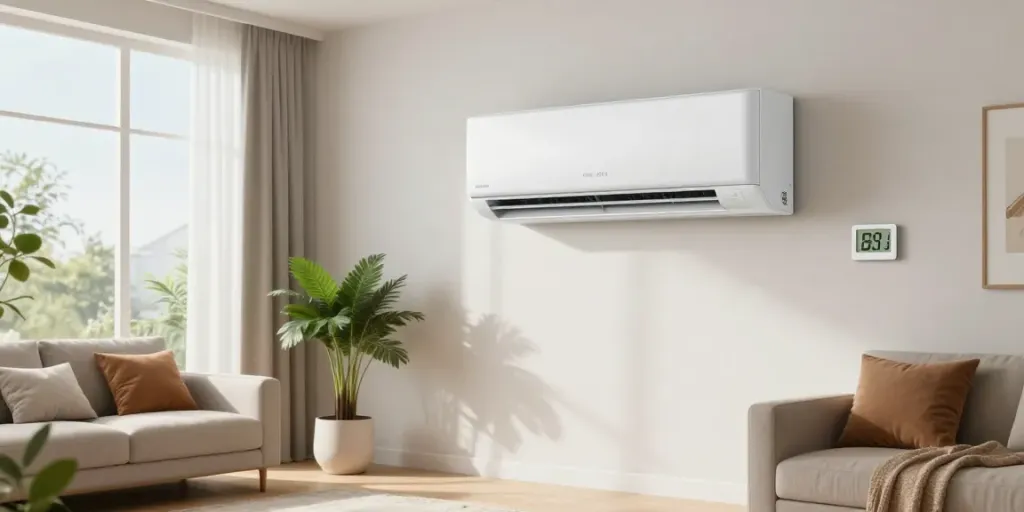
Understanding the Basics of 18k BTU Mini Splits
As the demand for efficient and versatile climate control solutions continues to rise, the 18k btu mini split system has emerged as a top choice among homeowners and businesses alike. These systems offer the flexibility to cool or heat various spaces without the need for extensive ductwork, making them a convenient option for many settings. In this comprehensive guide, we will delve into the essential features, benefits, and considerations when selecting and maintaining an 18k BTU mini split unit.
What is an 18k BTU Mini Split?
A mini split is a type of heating and cooling system that consists of two main components: an indoor unit and an outdoor condenser. The term "18k BTU" refers to the unit's cooling and heating capacity, which is measured in British Thermal Units (BTUs). Specifically, an 18,000 BTU mini split can effectively manage the climate of spaces up to approximately 1,000 square feet, making it ideal for large living areas, open-concept spaces, or even commercial applications.
How 18k BTU Mini Splits Work for Heating and Cooling
Mini split systems operate differently from traditional HVAC systems. They use a heat pump mechanism that extracts heat from the outside air and transfers it indoors during winter months, while reversing the process during summer to provide cooling. The efficiency of these systems is largely attributed to their inverter technology, which ensures that the compressor adjusts its speed according to the necessary heating or cooling demand, leading to significant energy savings.
Benefits of Using 18k BTU Mini Split Systems
There are several advantages to using an 18k BTU mini split system:
- Energy Efficiency: Mini splits typically have higher SEER (Seasonal Energy Efficiency Ratio) ratings compared to traditional systems, leading to reduced energy bills.
- Flexible Installation: These systems require minimal modifications to your home, and the indoor units can be placed where cooling or heating is most needed.
- Zone Control: Many mini split systems allow for various indoor units connected to a single outdoor unit, giving you the ability to control temperatures in different zones independently.
- Quiet Operation: Mini splits operate much quieter than traditional air conditioning systems, adding to indoor comfort without unwanted noise.
Choosing the Right 18k BTU Mini Split for Your Space
When selecting the right mini split system, it's crucial to consider several factors to ensure optimal performance and comfort.
Assessing Your Space: Square Footage Considerations
Calculating the appropriate size for your mini split system begins with assessing the square footage of the area you wish to heat or cool. An 18k BTU unit is typically suited for spaces ranging from 550 to 1,000 square feet, but factors like insulation quality, ceiling height, and local climate can influence your choice. For example, a well-insulated room in a temperate climate may require less BTU capacity than a poorly insulated room in a hotter region.
Understanding Energy Efficiency Ratings
Energy efficiency ratings are critical when selecting a mini split. Look for units with high SEER ratings, as these indicate better energy efficiency. The higher the SEER, the lower your energy consumption will be. It's advisable to choose a model with a SEER rating of 16 or above to maximize efficiency and minimize operational costs.
Comparative Analysis of Top Mini Split Brands
Several manufacturers are renowned for producing high-quality 18k BTU mini split systems, including brands like Fujitsu, Mitsubishi, and Daikin. Each brand offers various models with different features, energy efficiency ratings, and warranty options. When comparing models, consider factors such as customer reviews, warranty terms, and availability of replacement parts to make an informed decision.
Installation Guide for Your 18k BTU Mini Split
Proper installation is vital for the optimal performance of your mini split system. Here’s a detailed guide to help you with the installation process.
Tools Needed for Installation
Before beginning the installation, ensure you have the following tools and materials:
- Drill
- Level
- Refrigerant line set
- Electrical wiring
- Mounting brackets
- Vacuum pump
- Pipe insulation
Step-by-Step Installation Process
The installation process for an 18k BTU mini split typically involves the following steps:
- Choose the Location: Decide on the optimal indoor unit location for effective air distribution, usually at least 7 feet above the floor.
- Install the Mounting Bracket: Secure the mounting bracket on the wall where the indoor unit will be placed.
- Drill a Hole: Create a hole for the refrigerant lines and electrical wiring to pass through the wall.
- Hang the Indoor Unit: Connect the indoor unit to the mounting bracket and ensure it is level.
- Connect Refrigerant Lines: Attach the refrigerant lines and electrical wiring according to manufacturer instructions.
- Install the Outdoor Unit: Position the outdoor unit on a firm base and connect it to the indoor unit using the refrigerant line set.
- Vacuum and Test: Use a vacuum pump to evacuate any air from the system. Conduct leak tests and then charge the system with refrigerant.
Common Installation Mistakes to Avoid
To ensure a successful installation, avoid common pitfalls such as:
- Improper sizing of the unit for the space.
- Incorrect placement of the indoor unit, which can inhibit air flow.
- Neglecting proper insulation of refrigerant lines, leading to energy losses.
- Forgetting to follow local building codes and regulations.
Maintenance Tips to Ensure Longevity of Your Mini Split
Regular maintenance is essential for ensuring the longevity and efficiency of your mini split system. Here’s what you need to do:
Regular Cleaning and Filter Maintenance
Cleaning the air filters at least once a month during the cooling and heating seasons is crucial. Clogged filters hinder airflow, forcing the unit to work harder and potentially leading to system failures. Additionally, clean the outdoor unit and ensure there are no obstructions around it to maximize airflow.
Identifying and Troubleshooting Common Issues
Being proactive about identifying common issues can save you from costly repairs. Some symptoms to look out for include:
- Inconsistent temperatures in different rooms.
- Unusual noises coming from the unit, indicating loose components.
- Leaking or pooling water around the indoor unit.
When to Call a Professional Technician
While minor maintenance can be handled independently, it’s essential to call a professional technician for complex issues, such as refrigerant recharging, electrical problems, or if you notice persistent leaks. Regular annual servicing by a qualified technician can detect potential issues before they escalate.
Future Trends in Mini Split Technology for 2026 and Beyond
The mini split market is evolving rapidly, with several trends poised to shape its future.
Emerging Innovations in Energy Efficiency
As technology advances, new mini splits are expected to incorporate even higher energy-efficiency ratings. Innovations such as variable-speed compressors and enhanced refrigerants will continue to emerge, allowing for improved efficiency and lower energy bills.
The Role of Smart Technology in Home Climate Control
Smart home integration is another significant trend. Future mini split systems will be increasingly equipped with Wi-Fi capabilities, allowing users to control their home climate remotely through smartphones or voice commands. This adaptability promotes not only comfort but also energy savings.
Predictions on Market Growth and Consumer Preferences
With growing awareness of environmental impacts and rising energy costs, the demand for mini split systems is expected to continue growing. Consumers are leaning towards energy-efficient and eco-friendly options, making mini splits a favorable choice in the sustainable home improvement sector.
What square footage will an 18k BTU mini split cool?
As highlighted, an 18k BTU mini split is generally suitable for spaces between 550 to 1,000 square feet, depending on various environmental factors.
What is the average cost to run an 18k BTU mini split?
The average cost to run an 18k BTU mini split can vary widely based on local energy prices, usage patterns, and the unit's efficiency. On average, homeowners report costs ranging from $60 to $120 per month during peak seasons.
What are the energy savings with an 18k BTU mini split?
Energy savings will depend on factors such as usage patterns and the efficiency of the unit. However, many users experience savings of 30-50% over traditional central air systems due to the targeted cooling and heating these units provide.
How does an 18k BTU mini split compare to other systems?
Compared to traditional HVAC systems, mini splits offer significant advantages, including the elimination of ductwork, zone control, and generally higher energy efficiencies. This results in lower operational costs and greater comfort control.
What maintenance is required for an 18k BTU mini split?
Regular maintenance involves cleaning filters, checking refrigerant levels, and ensuring the outdoor unit is free of debris. Additionally, annual professional inspections can help maintain performance and extend the lifespan of the system.